

At a Glance
Martial arts — such as karate, judo, and taekwondo — are disciplines focused on self-defense, personal growth, and individual progress. They can be a great alternative to traditional team sports.
While martial arts aren’t a “treatment” for learning or attention challenges, they can help boost self-esteem, improve coordination, and strengthen executive functioning skills.
Exercise benefits all children, but kids with learning and attention issues often struggle to find sports or activities that fit their needs. Team sports can feel overwhelming if social or physical skills aren’t fully developed. Activities like skating or ballet may require coordination that’s difficult to master. Following rules or staying included in group activities can also be a challenge, and unfortunately, some kids may experience bullying or exclusion.
For many families, martial arts offer a supportive and structured environment where children can thrive. Read on to discover what martial arts are and why they can be such a good fit for kids with learning and attention differences.
What Martial Arts Are
Martial arts, including karate, judo, and taekwondo, are ancient practices that originated in Asia for self-defense. Today, people practice martial arts not only to learn self-defense but also to build mental and physical strength.
There are many forms of martial arts. Some, like karate and taekwondo, focus on striking and blocking, while others, like judo and jiu-jitsu, emphasize wrestling and grappling. All involve deliberate, repetitive movements and highlight the connection between mind and body.
Many parents notice benefits beyond the physical. Martial arts can help children improve self-control, attention, and other executive functioning skills. Some research supports these benefits, according to Kimberley D. Lakes, Ph.D., of the Pediatric Exercise and Genomics Research Center at UC Irvine. However, most studies have focused on the general population, not specifically on children with learning or attention challenges. Importantly, martial arts are not a substitute for medication or other treatments for learning and attention issues.
What Martial Arts Can Offer Kids With Learning and Attention Issues
Martial arts can be an excellent fit for kids with learning and attention challenges. Here are nine ways they can help:
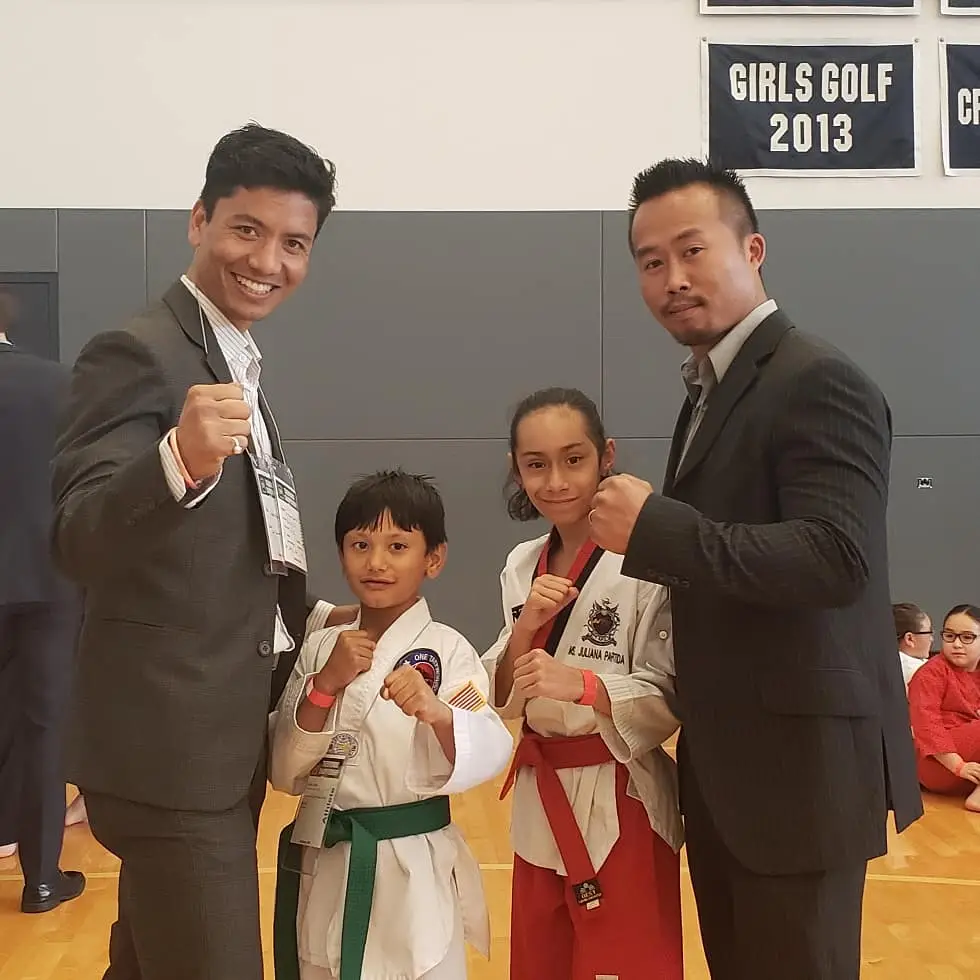
Fun and “Cool” Factor – Martial arts gear, belts, and board-breaking activities can help kids feel proud, confident, and socially included.
Focus on Individual Growth – Unlike team sports, martial arts emphasize personal improvement. Kids aren’t worried about “letting the team down,” making it less stressful for those who struggle with social or competitive pressures.
Concrete, Achievable Goals – Kids earn different colored belts as they master new skills. This provides clear, attainable milestones that boost self-esteem and motivation.
Step-by-Step Routines – Complex techniques are broken into manageable steps. Gradually mastering movements strengthens working memory while keeping the process manageable.
Self-Control and Concentration – Attention is central to martial arts. When focus drifts, instructors often have kids take a “ready stance” to reset and refocus.
Improved Coordination – Repetitive, deliberate movements help children develop better body awareness and motor skills. Some kids with ADHD also benefit from understanding the mind-body connection.
Clear Structure and Expectations – Instructors enforce rules consistently and emphasize proper behavior. Some schools even use behavior charts signed by parents to reinforce expectations at home.
Safe Outlet for Energy – Martial arts allow kids to channel frustration or excess energy in a controlled, safe way. Fighting is never encouraged; instead, skills like kicks or strikes teach discipline and self-control.
Supportive Community Environment – Respect is a core value. Students learn to support each other and treat instructors and peers with courtesy, creating a positive, accepting atmosphere.
What to Look for in a Martial Arts Class
If you’re considering martial arts for your child, keep these tips in mind:
Experience With Learning and Attention Challenges – Instructors should balance encouragement with support, helping your child progress without unnecessary pressure.
Type of Martial Art Matters Less Than Instruction Style – Most youth programs teach taekwondo or karate. What’s more important is a school that prioritizes character development and supports each child’s needs.
Meet the Instructor – Be upfront about your child’s challenges and goals. See if the instructor is a good fit and can adapt to your child’s learning style.
Key Takeaways
Martial arts engage both mind and body.
They emphasize respect, self-control, focus, and individual achievement.
Choosing a studio with supportive instruction is more important than the specific martial art.
Martial arts can help children develop self-esteem, find community, and experience success, even for kids who struggle with focus, motor skills, or social skills.